The Current State of Quantum Computing: Progress and Challenges
Achievements
A group at TU Darmstadt just broke over the 1,000-qubit barrier by building a quantum computer with 1,000 independently programmable atomic qubits. With 433 qubits, IBM's Osprey quantum processor is now among the largest, demonstrating the quick progress made in scaling quantum systems.
Specific Approaches
In addition, researchers are looking at alternatives to conventional qubit systems. For instance, a group at UNSW has created a highly controlled 16-dimension qudit computing system that could provide more dependable and effective computations.
Current Capabilities
Even with these developments, 50–100 qubit quantum computers are still in the NISQ (Noisy Intermediate-Scale Quantum) period. Because qubits are vulnerable to external disturbances, challenges include retaining qubit coherence, lowering error rates, and scaling systems without sacrificing quantum features.
Current Threats
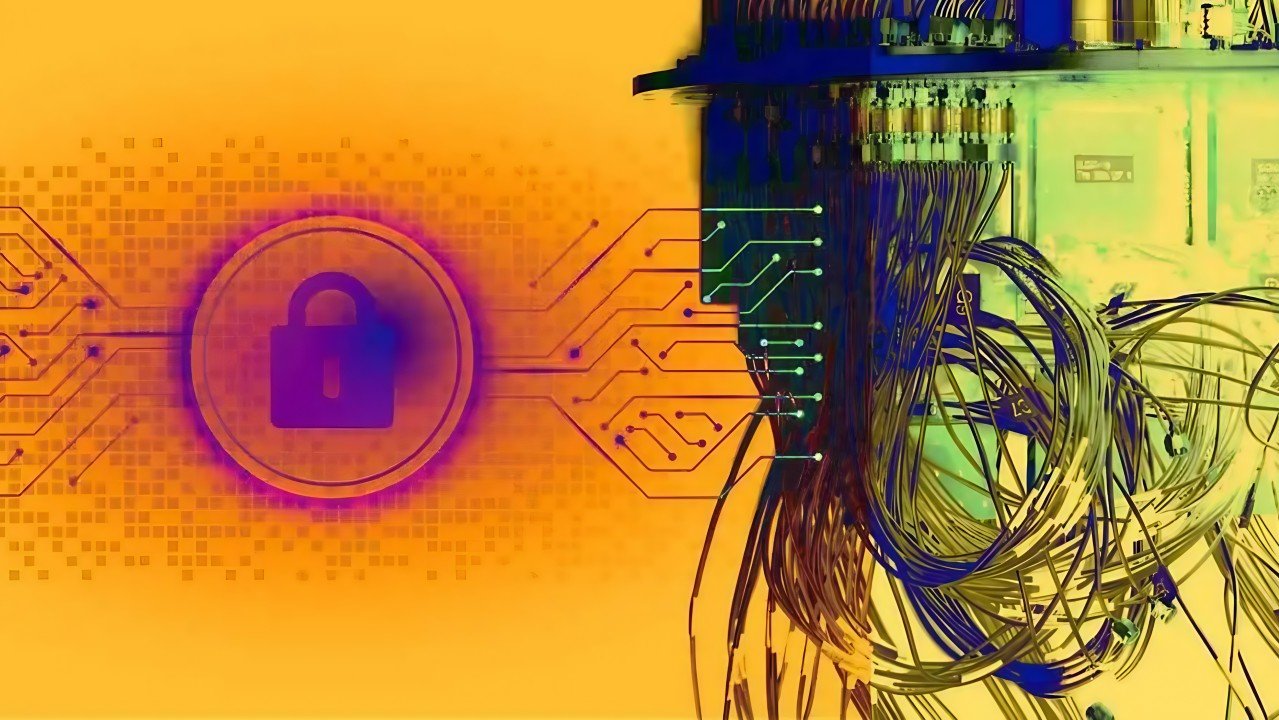
Encryption vulnerability is the main cybersecurity concern in quantum computing right now. The majority of today's internet connections are secured using popular encryption techniques like RSA and elliptic curve cryptography, which could be broken by quantum computers. These techniques rely on the challenge of factoring huge numbers, which might be solved exponentially quicker by quantum computers.
Due to this issue there's rising concern that sensitive data encrypted by these protocols may one day be decrypted by quantum computers. In order to safeguard data from the predicted capability of quantum computing, there is currently an urgent drive to develop encryption techniques that are resistant to quantum occurrences.
Global Interest
National investment is now centered on quantum computing. Research and development is being heavily funded by nations like the United States and China, who recently unveiled a quantum computer prototype that they claim has the fastest processing capability in the world.
The Future
Although large-scale, fault-tolerant quantum computers are still years away, within the next five to ten years, researchers are enthusiastic about near-term applications in areas such as drug discovery and quantum chemistry. Claims of impending discoveries, however, should be treated with caution.
Conclusion
At this critical point, quantum computing has come a long way and still faces many obstacles. Though a realistic grasp of the work still needed to reach that potential is necessary, the potential for quantum computing to change numerous sectors remains promising as research continues.
- Originally published on LinkedIn - https://www.linkedin.com/pulse/current-state-quantum-computing-progress-challenges-fateh-saggu-pq20c